Sub menu editing

Drop Down MenusCSS Drop Down MenuPure CSS Dropdown Menu
Showing posts with label medical. Show all posts

Saturday, May 25, 2019

More companies will turn to synthetic biology for innovation


Biology is already changing the way we live, eat, manufacture, and treat human health. In the next few years, synthetic biology--a $40 billion industry--will be the premier technology of the 21st century that will be used to solve real-world problems facing millions. We will see more collaboration between science, technology, and engineering communities, along with more involvement by the next generation of local leaders solving local problems all around the world, in a safe, ethical, and responsible manner.
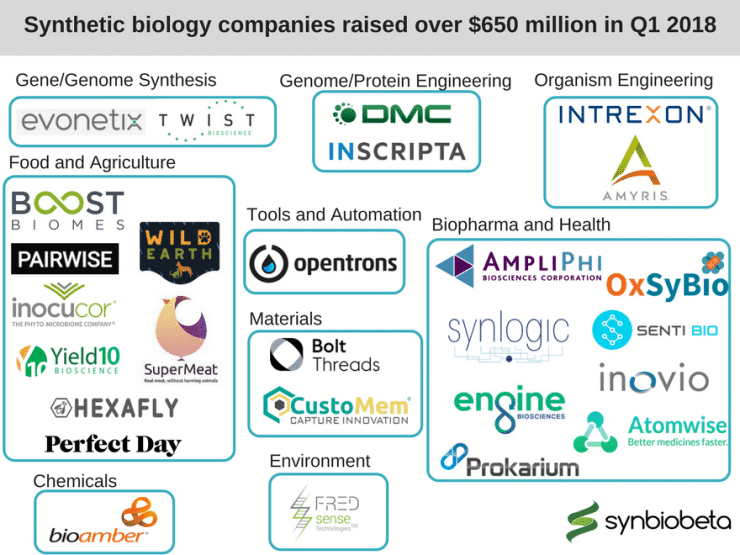

Chances are you use at least one product every day that can be, or is, made using synthetic biology.  In fact, you probably used one of these products this morning. For example, in shampoos, the renewable chemical that makes the thick gel turn to soapy foam, known as a surfactant, can be made using synthetic biology. The biotechnology company Manus Bio has also been able to reduce its footprint on the environment through synthetic biology. The company engineered a bacterium that produces a coveted compound found within the stevia plant that can be used in zero-calorie sweeteners.


Conventional methods extract only a fraction of the sweet-tasting compound from the plant, and they often use caustic chemicals. By using synthetic biology to engineer a bacterium that mimicked the plant’s process for making the compound, however, the company was able to synthetically produce the compound with 95 percent purity. Manus Bio plans to start commercially manufacturing the product and selling to industrial partners in 2018.

Friday, May 24, 2019

Youthful regeneration of aging heart muscle via GDF-11


In the previous decade, researchers identified an obscure blood protein called GDF-11. This was shown to have regenerative properties upon the cardiac muscle in age-related diastolic heart failure. The substance was found to be present at high levels in youth, and lower levels in old age. When elderly mice were supplemented with increased GDF-11, it had a dramatic effect on their hearts – restoring heart size and muscle wall thickness to a much earlier state.


Demonstrated that age-related cardiac hypertrophy can be reversed via exposure to a young circulatory environment. These experiments revealed that age-related cardiac hypertrophy is at least in part mediated by circulating factors, such as GDF11, which is able to reverse the condition. The reversal of cardiac hypertrophy in old mice exposed to a young circulation cannot be explained by a   reduction in blood pressurein the older mice. An extensive proteomics analysis was performed on the serum and plasma of the animals. GDF11 was reduced in the circulation of aged mice and its levels were restored to those in young animals by parabiosis.

This offered a potential way of treating heart failure and aging in people. A series of clinical trials, beginning in the late 2010s, confirmed this. By 2026, it's becoming fairly routine for doctors to repair cardiac damage and restore human hearts to earlier states, based on the GDF-11 protein. Along with stem cells and other advances this decade, science is gradually chipping away at the factors which cause people to die.

Saturday, May 11, 2019

Synthetic Biology


Synthetic biology applies an engineering mentality to biology. Whereas "traditional" genetic engineers splice a gene or two from one existing species into another, synthetic biologists radically alter existing life for new purposes. It is the design and construction of new biological entities such as enzymes, genetic circuits, and cells or the redesign of existing biological systems.


 They have also started to create new forms of life from scratch using standardized genetic components termed 'bio bricks'. The Synthetic biology is a new interdisciplinary area that involves the application of engineering principles to biology. Synthetic biology combines chemical synthesis of DNA with growing knowledge of genomics to enable researchers to quickly manufacture cataloged DNA sequences and assemble them into new genomes.


 The Synthetic biology includes the broad redefinition and expansion of biotechnology, with the ultimate goals of being able to design and build engineered biological systems that process information, manipulate chemicals, fabricate materials and structures, produce energy, provide food, and maintain and enhance human.

Thursday, May 9, 2019

Medicine goes B2C


“Thanks in large part to digital technology, rising health care costs, and increased competition, patients have become empowered consumers. As a result, they will be expecting more from health care. Much like the retail industry, patients want easy, seamless, and transparent consumer-like experiences.


 We will see more and more patients become discerning shoppers, comparing prices for physicians and health plans and expecting accurate upfront costs for services, just as they would with other products. They will increasingly look for ways to receive care outside of traditional doctor’s office visits by exploring digital health care options such as telemedicine and chat bot technology.
 Health care organizations are going to feel the pressure, and put even more emphasis on patient engagement, transparency into health care costs, quality, and value-based care. Consumers won’t stand for anything less.”

Monday, May 6, 2019

Personalised Nutrition becomes a thing


One of the most promising developments, and one we predict will become increasingly visible in 2019, is personalised nutrition based on your gut microbiome. Diet and nutrition advice tends to be delivered at a population level (e.g. five-a-day, eat more fibre), but the more we understand about the gut, the more we discover that a one-size-fits-all approach to diet doesn’t work.


 Biotech companies like Viome and Atlas Biomed have been promoting at-home gut testing for a couple of years as a way of finding out more about your gut and what to eat, and this year Carbiotix became the first company to release a low cost gut microbiome test.
 In 2019, Project Sapiens — a team led by geneticist Tim Spector and including some of the best artificial intelligence experts in the UK — will release a test that uses machine learning to help people understand how their body responds to specific foods.


Genetic Engineering


Genetic engineering alters the traits of living organisms by changing the information encoded in their DNA. This may involve the creation of genetically modified (GM) plants, animals and micro-organisms, as well as the development of genetic medicine. Genetic engineering, also called genetic modification or genetic manipulation, is the direct manipulation of an organism's genes using biotechnology.


The term genetic engineering initially referred to various techniques used for the modification or manipulation of organisms through the processes of heredity and reproduction. As such, the term embraced both artificial selection and all the interventions of biomedical techniques, among them artificial inseminationin vitro fertilization (e.g., “test-tube” babies), cloning, and gene manipulation.

In the latter part of the 20th century, however, the term came to refer more specifically to methods of recombinant DNA technology (or gene cloning), in which DNA molecules from two or more sources are combined either within cells or in vitro and are then inserted into host organisms in which they are able to propagate.

Saturday, April 27, 2019

Crispr


               Imagine a world where crushing genetic diseases like Huntington's and cystic fibrosis can be cured. Thanks to crispr, genetic disease may be eliminated.


         CRISPR Cas-9 (an abbreviation standing for "Clustered Regularly Interspaced Short Palindromic Repeats") is a gene-splicing technology capable of finding and removing mutated sections of DNA. Once this material is eliminated, crispr technology can replace the mutated sections with non-mutated variants.

                  As a result, crispr has the power to permanently eliminate certain types of genetic diseases from blood lines. The technology has already been used to eliminate cancer in some patients, and early results show that it may be possible to cure genetically caused blindness as well.

Regenerative Medicine


            Regenerative medicine is a branch of translational research in tissue engineering and molecular biology which deals with the "process of replacing, engineering or regenerating human cells, tissues or organs to restore or establish normal function". The promising field of Regenerative Medicine is working to restore structure and function of damaged tissues and organs.


              The goal of this medicine is to find a way to cure previously untreatable injuries and diseases. Scientific research is working to make treatments available for clinical use.Though it may sound like science fiction, doctors are already producing made-to-order body parts. To get started, doctors scrape cells off the body part in question and grow them in a petri dish.

                   In time, the body part grows strong enough that it can be implanted inside the patient.One company, Organovo, has developed a printer capable of 3D printing body parts. In time, this new technology will become increasingly mainstream, providing patients with lifesaving organ replacements.

Thursday, April 25, 2019

Nano-medicine expected to treat chronic illnesses


              Whether it’s the hair loss, the nauseating fatigue, or the never-ending stream of pills, anyone who’s ever experienced cancer knows that treatment can be downright distressing. Traditional chemotherapy has a knack for attacking healthy cells in addition to the troublesome malignant ones, resulting in the aforementioned afflictions. But what if we could treat cancer without the debilitating side effects? What if we could target drugs at the offending cells only and release them precisely when we needed to?

             Adah Almutairi, co-director of the Center for Excellence in Nanomedicine and Engineering at the University of California, San Diego (UCSD), has developed a technology involving light-activated nanoparticles that could potentially do just that. Using matter on the scale of 100nm, Almutairi and her research team placed drug molecules into tiny little balls she calls nanospheres. Almutairi’s invention isn’t unique in principle. In fact, targeted drug delivery has been at the forefront of research in the burgeoning field of nanomedicine for quite some time. Scientists first tried delivering drugs through liposomes, spherical vesicles that naturally assemble due to the properties of its constituent phospholipids.

             That’s where Almutairi’s model might have struck gold. Not only are her nanospheres “stable as a rock”, but they’re also perfectly safe. According to her, the nanospheres can “stay intact for a year before safely degrading,” as proven in animal trials with mice. The significance of that is monumental, demonstrating non-toxicity may be the first step in getting her invention on the market.

Tuesday, April 23, 2019

New cures from the bacteria that live in the human body


         In life sciences, we’ll have greater understanding of the dynamics of how our microbiome – the tiny organisms, including bacteria, that live in the human body – influences multiple systems in our body, including our immune systems, metabolic processes and other areas. This will result in seminal discoveries related to a variety of conditions, including autoimmune diseases, pre-term birth and how our metabolism is regulated. Regenerative medicine approaches to creating new tissues and organs from progenitor cells will expand significantly.


       The use of bacteria can be a more gentle, biological and thus also more sustainable alternative. The use of synthetic drugs has been likened to the use of herbicides to get rid of weeds in a lawn. Depending on its intensity, bacterial therapy would be equivalent in this analogy to replanting the lawn or laying down turf. One of the first major breakthroughs in bacteria research was achieved back in the nineteenth century by Robert Koch from Germany.

        The level of training in Germany is very good, as is the research infrastructure. If these excellent framework conditions are used for well-organized and long-term studies, Germany can remain at the forefront of world-class research. Today spectacular breakthroughs are no longer made by individual groups, let alone individual researchers. This is why international cooperation is essential in this field of research.


Monday, April 22, 2019

The beginning of the end for cancer


                 The emergence of real-time diagnostics for complex diseases will mark the beginning of the end of their debilitating reign by 2020. The ability to monitor cancer, the dynamic immune system, intestinal flora and pre-diabetes in real-time will change the nature of medicine and usher in a new era of human health where wellness is protected versus illness treated. As a result, fundamental shifts in healthcare will occur, causing it to become largely preventative rather than fire-fighting.


             These are exciting times for cancer immunotherapy. After many years of disappointing results, the tide has finally changed and immunotherapy has become a clinically validated treatment for many cancers. Immunotherapeutic strategies include cancer vaccines, oncolytic viruses, adoptive transfer of ex vivo activated T and natural killer cells, and administration of antibodies or recombinant proteins that either costimulate cells or block the so-called immune checkpoint pathways.

              The recent success of several immunotherapeutic regimes, such as monoclonal antibody blocking of cytotoxic T lymphocyte-associated protein 4 (CTLA-4) and programmed cell death protein 1 (PD1), has boosted the development of this treatment modality, with the consequence that new therapeutic targets and schemes which combine various immunological agents are now being described at a breathtaking pace.

Sunday, April 21, 2019

X-ray pills to detect bowel cancer


         Traditional colonoscopies that are used to screen patients for presence of colon cancer can be physically unpleasant, much too invasive, and require diets and laxatives that leave patients feeling empty and exhausted. A new option, in the form of a pill that emits X-rays to image the colon, has just been cleared by European regulators via a CE Mark. The C-Scan System from Check-Cap, an Israeli firm, features a swallow able pill that has an X-ray source, a positioning system, computing components, and a battery.
         
        The patient first swallows a contrast agent and then wears special sensors attached to the skin over where the colon is located, and as the capsule moves through, the sensors are able to pick up imaging and location data that it transmits. Laxatives and sedation are not necessary, nor does anyone have to stick anything up your shithole, to use the word of the day in its literal context. The pill works off of two separate X-ray phenomena. One involves shooting the X-rays into the swallowed contrast agent, which fluoresces its own X-rays in return. This makes it and the contents with which its mixed more readily visible.

         The other phenomenon is called Compton scattering, which is exhibited when X-rays interact with electrons in the tissues of the colon wall and which results in some of the X-rays coming back to the pill. Combining these two readings produces a novel view inside the colon that has the potential to identify lesions that would need a closer inspection.

Saturday, April 20, 2019

Printable Organs


            Today, we are already at a turning point in our ability to 3D “bioprint” organ tissues, a process that involves depositing a “bio-ink” made of cells precisely in layers, resulting in a functional living human tissue for use in the lab. These tissues should be better predictors of drug function than animal models in many cases. In the long-term, this has the potential to pave the way to “printing” human organs, such as kidneys, livers and hearts. 


             Achieving such an outcome would be truly remarkable. Despite advances in medicine and increased awareness of organ donation, the gap between supply and demand of organs continues to widen. Without an accurate digital model of your target organ, bioprinters have nothing to guide them. This necessity gets more evident when attempting to grow a large solid, organ with its complicated architecture involving blood vessels, different cell types and geometrical quirks.

         Though printable organs won’t come easily, there is reason for optimism: i) Regenerative medicine isn’t brand new, ii) Costs are decreasing, Research is focused on the whole body, iii) 3D printed tissues and organs show promise in the lab. By 2020, our goal is to have the technology be broadly used by pharmaceutical companies, resulting in the identification of safer and better drug candidates and fewer failures in clinical trials.

Categories

machine (16) human (15) medical (13) mobile (12) digital (11) business (10) city (10) internet (10) operate (10) computer (9) graphics (9) electronics (8) power (8) water (8) workplace (8) cloud (7) robots (7) space (7) webpage (7) class (6) vehicles (5) solar (4) automation (3) battery (3) car (3) data (3) television (3) camera (2) building (1) government (1) satellite (1)

Ads

Featured Post